

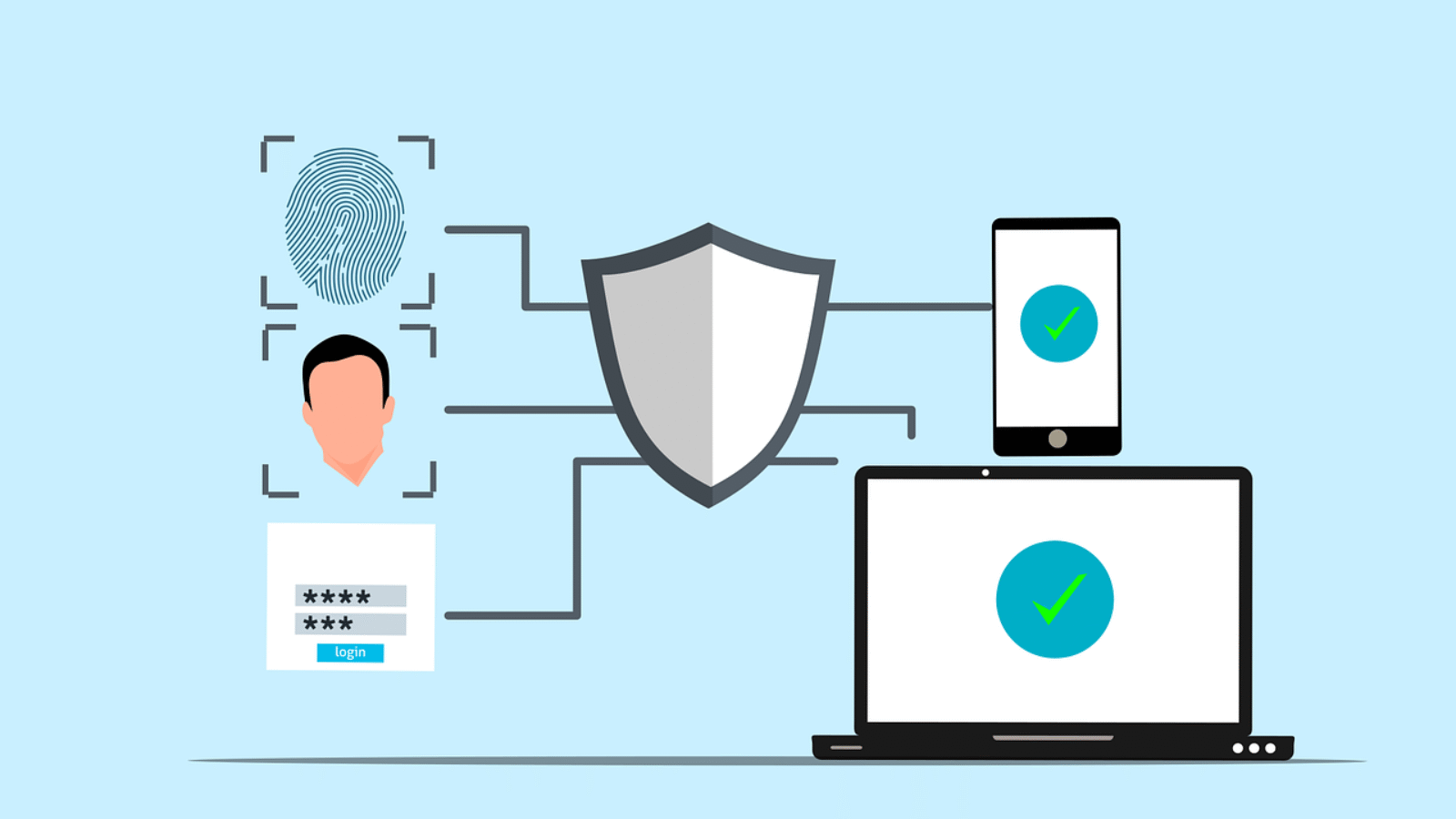
Passwords alone are no longer enough to protect sensitive business data. Multi-Factor Authentication (MFA) adds an extra layer of security by requiring multiple forms of verification before granting access to accounts, significantly reducing the risk of unauthorized access.
What is MFA?
MFA requires users to provide two or more verification factors when logging in:
- Something You Know: Password or PIN
- Something You Have: Mobile device, security token, or authentication app
- Something You Are: Biometric data, such as fingerprint or facial recognition
Benefits of Implementing MFA
- Enhanced Security: Even if passwords are compromised, unauthorized users cannot access accounts without additional verification.
- Reduced Risk of Data Breaches: MFA significantly lowers the likelihood of account takeovers and cyberattacks.
- Compliance: Many regulations, including GDPR and HIPAA, recommend or require MFA for sensitive systems.
- User Confidence: MFA assures employees and customers that their data is protected.
Best Practices for MFA
- Require MFA for all critical accounts, especially email, financial, and administrative systems.
- Use app-based or hardware token authentication rather than SMS when possible for stronger security.
- Educate users on the importance of MFA and provide guidance on setup and use.
- Regularly review MFA settings and logs to detect suspicious access attempts.
Key Takeaway
Multi-Factor Authentication is a simple yet highly effective way to strengthen cybersecurity. By combining passwords with additional verification factors, businesses can protect sensitive information, reduce the risk of breaches, and maintain trust with employees and customers.