multimeter-153292_1280

Cybersecurity Metrics: Measuring Your Security Posture

Understanding how effective your cybersecurity efforts are is essential for protecting your business. Cybersecurity metrics provide insight into your organization’s security posture, helping identify weaknesses, track improvements, and make informed decisions.

Key Cybersecurity Metrics to Monitor

  1. Incident Response Time
    Measure how quickly your team can detect, respond to, and resolve security incidents. Faster response times minimize damage and downtime.
  2. Number of Detected Threats
    Track the number and types of threats detected over a given period. This helps assess the effectiveness of your monitoring and defense systems.
  3. Vulnerability Patch Management
    Measure how quickly vulnerabilities are identified and patched. Timely updates reduce the window of opportunity for attackers.
  4. Phishing Success Rate
    Monitor employee susceptibility to phishing attacks through simulated tests. This highlights areas where additional training may be needed.
  5. System Downtime Due to Security Incidents
    Track downtime caused by attacks or breaches. Less downtime indicates stronger resilience and effective security protocols.
  6. Compliance Metrics
    Evaluate adherence to regulatory and industry standards such as GDPR, ISO 27001, or PCI DSS to reduce legal and financial risk.

Key Takeaway

Cybersecurity metrics provide a clear view of your organization’s security health. By monitoring these indicators, businesses can identify weaknesses, strengthen defenses, and continuously improve their security posture to stay ahead of evolving threats.

bill-6107551_1280

Cybersecurity in Financial Services: Protecting Sensitive Transactions

Financial institutions handle large volumes of sensitive data and transactions every day, making them prime targets for cybercriminals. Robust cybersecurity measures are essential to protect customer information, maintain trust, and comply with regulatory standards.

Key Cybersecurity Challenges in Financial Services

  1. Data Breaches: Unauthorized access to sensitive customer information can lead to financial loss and reputational damage.
  2. Fraudulent Transactions: Cybercriminals exploit vulnerabilities to initiate unauthorized transfers or manipulate accounts.
  3. Advanced Persistent Threats (APTs): Sophisticated attackers can infiltrate networks over long periods without detection.

Essential Measures to Protect Financial Transactions

  • Encryption: Protect sensitive data in transit and at rest using strong encryption protocols.
  • Multi-Factor Authentication (MFA): Add extra layers of verification to prevent unauthorized access.
  • Real-Time Monitoring: Continuously monitor transactions for unusual patterns or suspicious activity.
  • Regulatory Compliance: Ensure adherence to standards such as PCI DSS, GDPR, and other financial regulations.
  • Employee Training: Educate staff on cybersecurity best practices to prevent internal errors and social engineering attacks.

Emerging Technologies for Financial Cybersecurity

  • AI & Machine Learning: Detect anomalies and predict potential threats faster than traditional systems.
  • Blockchain: Provides secure, tamper-proof transaction records for enhanced transparency.
  • Behavioral Biometrics: Analyzes user behavior to detect fraud in real time.

Key Takeaway

Cybersecurity is critical in the financial sector to safeguard sensitive transactions and maintain customer trust. By implementing advanced technologies, monitoring systems, and employee training, financial institutions can minimize risk and stay ahead of evolving cyber threats.

unlock-6159921_1280

Insider Threats: Detecting and Preventing Internal Security Risks

While external cyberattacks grab headlines, insider threats pose a significant risk to businesses. These threats come from employees, contractors, or partners who have legitimate access to your systems but misuse it intentionally or accidentally. Detecting and preventing insider threats is critical for protecting sensitive data and maintaining trust.

Types of Insider Threats

  1. Malicious Insiders: Individuals who intentionally steal data or sabotage systems for personal gain.
  2. Negligent Insiders: Employees who unintentionally cause security breaches through careless actions, like clicking on phishing links or mishandling sensitive data.
  3. Compromised Insiders: Accounts or credentials of legitimate users that are hijacked by external attackers.

How to Detect Insider Threats

  • Monitor User Behavior: Look for unusual login patterns, excessive data access, or downloads.
  • Access Controls: Ensure employees only have access to the data necessary for their role.
  • Audit Logs: Regularly review logs to spot suspicious activity.
  • Anomaly Detection Tools: Use automated tools to flag irregular behaviors in real time.

Preventing Insider Threats

  1. Employee Training: Educate staff on cybersecurity best practices and the risks of mishandling sensitive data.
  2. Strict Access Policies: Implement the principle of least privilege and regularly review access rights.
  3. Data Encryption: Protect sensitive information to minimize the impact of breaches.
  4. Incident Response Plan: Have a clear process to address insider incidents quickly and effectively.

Key Takeaway

Insider threats are often overlooked but can cause significant damage to businesses. By monitoring user activity, enforcing strict access controls, and training employees, organizations can detect and prevent internal security risks, protecting both data and reputation.

call-3613071_1280

The Rise of Ransomware-as-a-Service (RaaS)

Ransomware attacks are becoming increasingly sophisticated and widespread, and one of the major drivers behind this trend is Ransomware-as-a-Service (RaaS). This model allows cybercriminals to rent ransomware tools from developers, making advanced attacks accessible even to less technically skilled attackers.

What is RaaS?

RaaS is a subscription-based model where ransomware developers provide ready-to-use malware to affiliates. The affiliates carry out attacks, and profits are shared between the developer and the attacker. This lowers the barrier to entry for cybercrime, leading to a surge in ransomware incidents.

Why RaaS is Dangerous

  • Wider Reach: Anyone can launch ransomware attacks, increasing the frequency of attacks globally.
  • Sophistication: RaaS kits often include advanced evasion techniques, making attacks harder to detect.
  • Profit-Driven: Attackers target businesses of all sizes, seeking high-value ransom payments.

How Businesses Can Protect Themselves

  1. Regular Backups: Maintain offline, secure backups to ensure data can be restored without paying ransom.
  2. Endpoint Protection: Use updated antivirus, anti-malware, and intrusion detection systems.
  3. Employee Training: Educate staff to recognize phishing attempts and suspicious links.
  4. Patch and Update: Regularly update software to prevent exploitation of vulnerabilities.
  5. Incident Response Plan: Have a clear strategy in place to respond quickly if an attack occurs.

Key Takeaway

RaaS has made ransomware attacks more accessible and frequent, posing a serious threat to businesses of all sizes. By implementing robust cybersecurity measures, maintaining backups, and educating employees, organizations can reduce risk and minimize the impact of a ransomware attack.

idea-6584030_1280

How to Build a Strong Cybersecurity Strategy for Your Business

A strong cybersecurity strategy is essential for protecting your business from evolving cyber threats. It ensures the safety of sensitive data, maintains customer trust, and supports long-term business continuity. Here’s a step-by-step guide to building an effective cybersecurity strategy.

1. Identify Critical Assets and Risks

Start by mapping out your key digital assets, including customer data, financial records, and intellectual property. Conduct a thorough risk assessment to identify potential vulnerabilities and threats.

2. Develop Security Policies and Procedures

Establish clear policies for data protection, access control, and acceptable use. Ensure that employees understand these policies and know their responsibilities in maintaining security.

3. Implement Layered Security Measures

Adopt a multi-layered defense strategy using firewalls, antivirus software, intrusion detection systems, and endpoint protection. This approach minimizes the likelihood of successful attacks.

4. Educate and Train Employees

Employees are often the first line of defense. Provide regular cybersecurity training to help staff recognize phishing attempts, social engineering tactics, and other threats.

5. Monitor and Detect Threats

Use continuous monitoring tools to identify unusual activity or suspicious behavior in real time. Early detection allows for quick mitigation and reduces potential damage.

6. Prepare an Incident Response Plan

Develop a comprehensive plan to respond to security incidents. Define procedures for containment, investigation, communication, and recovery to ensure swift action during a breach.

7. Review and Update Regularly

Cyber threats constantly evolve, so it’s essential to periodically review and update your cybersecurity strategy. Patch systems, refine policies, and improve defenses to stay ahead of emerging risks.

Key Takeaway

A strong cybersecurity strategy combines people, processes, and technology. By identifying risks, implementing layered defenses, training employees, and continuously monitoring systems, businesses can reduce vulnerabilities, respond effectively to threats, and safeguard their long-term operations.

investigation-9604083_1280

The Importance of Employee Cybersecurity Awareness

Employees are often the first line of defense against cyber threats. Yet, human error is one of the leading causes of data breaches and security incidents. Building a culture of cybersecurity awareness is essential for protecting your business and sensitive information.

Why Employee Awareness Matters

  1. Prevent Phishing and Social Engineering Attacks
    Employees trained to recognize suspicious emails, links, and calls are less likely to fall victim to phishing or social engineering attacks.
  2. Reduce Risk of Insider Threats
    Awareness programs help employees understand the risks of negligent actions, such as sharing passwords or mishandling sensitive data.
  3. Support Security Policies and Procedures
    Employees who understand the importance of security are more likely to follow company policies, helping maintain compliance and overall security posture.
  4. Enhance Incident Response
    Educated staff can detect and report potential threats early, enabling quicker response and minimizing the impact of a security incident.

Best Practices for Building Cybersecurity Awareness

  • Conduct regular training sessions and workshops
  • Use simulated phishing exercises to test employee readiness
  • Share updates on emerging threats and best practices
  • Encourage a culture of reporting suspicious activity without fear of repercussions

Key Takeaway

Employees are a critical component of your cybersecurity defense. By fostering awareness, providing regular training, and promoting a culture of vigilance, businesses can significantly reduce risks, prevent breaches, and strengthen their overall security posture.

secure-computer-4530142_1280

Ransomware: How to Protect Your Business

Ransomware attacks have become one of the most significant cybersecurity threats for businesses of all sizes. These attacks encrypt critical data and demand a ransom payment, often causing operational disruption and financial loss. Protecting your business from ransomware requires proactive strategies and layered defenses.

Key Strategies to Protect Your Business

  1. Regular Data Backups
    Maintain frequent, secure backups of all critical data. Store backups offline or in a separate network to ensure data recovery in case of an attack.
  2. Keep Systems Updated
    Apply software patches and security updates promptly. Outdated systems and applications are common targets for ransomware.
  3. Use Robust Endpoint Protection
    Deploy antivirus, anti-malware, and advanced threat detection tools to protect all endpoints, including employee devices.
  4. Educate Employees
    Train staff to recognize phishing emails, suspicious links, and other ransomware delivery methods. Human error is often the entry point for attacks.
  5. Implement Network Segmentation
    Limit the spread of ransomware by segmenting networks. Critical systems should be isolated from less secure areas of the network.
  6. Develop an Incident Response Plan
    Have a clear plan for responding to ransomware attacks, including steps for containment, communication, and data recovery.

Key Takeaway

Ransomware is a growing threat, but businesses can reduce risk through proactive measures. Regular backups, system updates, employee training, and strong endpoint protection help safeguard critical data and ensure your business can recover quickly if an attack occurs.

genomic-privacy-3302478_1280

Cloud Security Best Practices

As more businesses migrate operations to the cloud, securing data and applications has become a top priority. Cloud environments offer flexibility and scalability, but they also introduce new cybersecurity challenges. Implementing best practices ensures your cloud infrastructure remains safe and resilient.

Essential Cloud Security Best Practices

  1. Data Encryption
    Encrypt sensitive data both at rest (stored data) and in transit (data being transmitted) to prevent unauthorized access.
  2. Strong Access Controls
    Implement the principle of least privilege, granting employees access only to the data and resources they need. Use multi-factor authentication (MFA) to secure accounts.
  3. Regular Backups
    Maintain regular backups of critical data stored in the cloud. Ensure backups are secure and can be restored quickly in case of data loss or ransomware attacks.
  4. Monitor and Audit
    Continuously monitor cloud activity for suspicious behavior. Conduct regular audits to ensure compliance with security policies and regulatory requirements.
  5. Secure APIs and Integrations
    Ensure that application programming interfaces (APIs) and third-party integrations are secure, as they can be a potential entry point for attackers.
  6. Employee Training
    Educate staff about cloud security risks and best practices, including safe access and handling of cloud resources.
  7. Patch and Update Regularly
    Keep all cloud-based applications and systems updated with the latest security patches to prevent exploitation of vulnerabilities.

Key Takeaway

Cloud security requires a combination of technology, policies, and employee awareness. By encrypting data, enforcing access controls, monitoring activity, and maintaining backups, businesses can protect their cloud environments from cyber threats and maintain operational continuity.

cybersecurity-9302462_1280

Understanding Multi-Factor Authentication (MFA)

Passwords alone are no longer enough to protect sensitive business data. Multi-Factor Authentication (MFA) adds an extra layer of security by requiring multiple forms of verification before granting access to accounts, significantly reducing the risk of unauthorized access.

What is MFA?

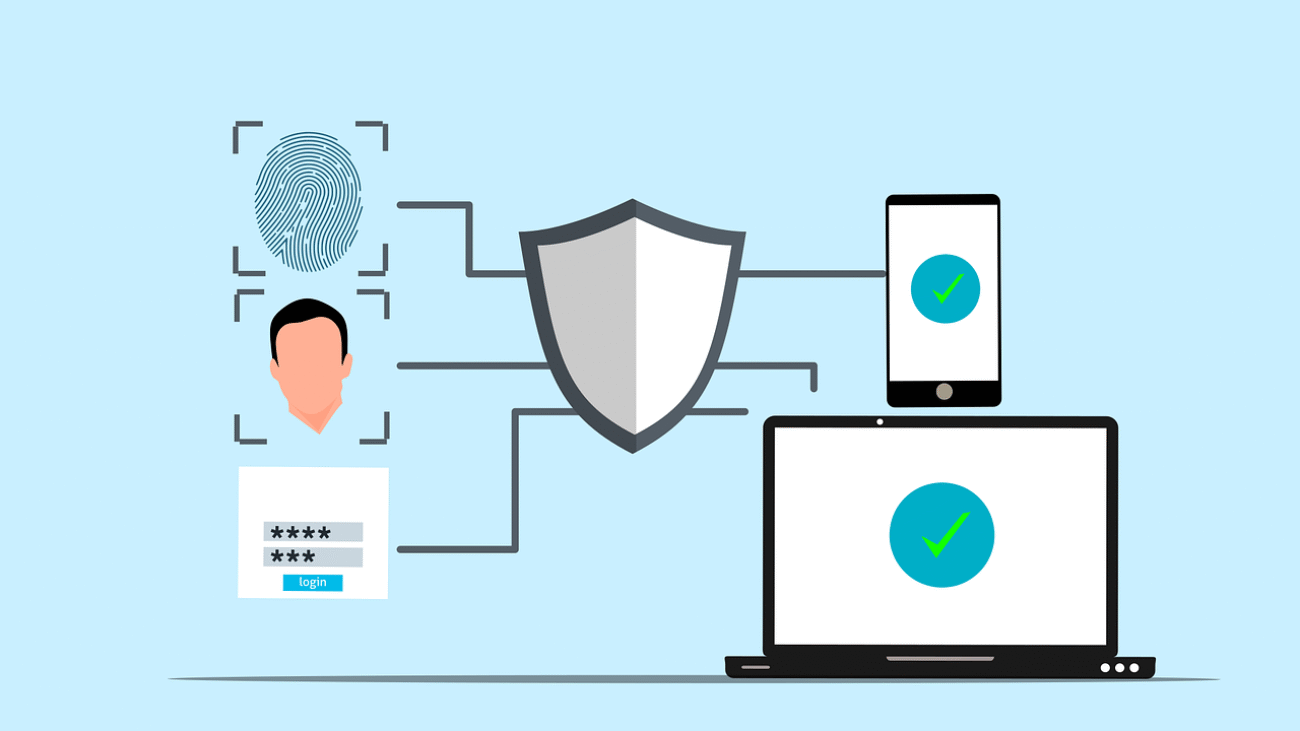
MFA requires users to provide two or more verification factors when logging in:

  1. Something You Know: Password or PIN
  2. Something You Have: Mobile device, security token, or authentication app
  3. Something You Are: Biometric data, such as fingerprint or facial recognition

Benefits of Implementing MFA

  • Enhanced Security: Even if passwords are compromised, unauthorized users cannot access accounts without additional verification.
  • Reduced Risk of Data Breaches: MFA significantly lowers the likelihood of account takeovers and cyberattacks.
  • Compliance: Many regulations, including GDPR and HIPAA, recommend or require MFA for sensitive systems.
  • User Confidence: MFA assures employees and customers that their data is protected.

Best Practices for MFA

  • Require MFA for all critical accounts, especially email, financial, and administrative systems.
  • Use app-based or hardware token authentication rather than SMS when possible for stronger security.
  • Educate users on the importance of MFA and provide guidance on setup and use.
  • Regularly review MFA settings and logs to detect suspicious access attempts.

Key Takeaway

Multi-Factor Authentication is a simple yet highly effective way to strengthen cybersecurity. By combining passwords with additional verification factors, businesses can protect sensitive information, reduce the risk of breaches, and maintain trust with employees and customers.

quality-control-9706764_1280

Cybersecurity Compliance: What Businesses Need to Know

Cybersecurity compliance ensures that businesses meet legal, regulatory, and industry standards for protecting sensitive data. Non-compliance can lead to financial penalties, legal issues, and reputational damage. Understanding the requirements and implementing best practices is crucial for maintaining trust and minimizing risk.

Why Cybersecurity Compliance Matters

  • Legal Requirements: Regulations such as GDPR, HIPAA, PCI DSS, and ISO 27001 mandate specific security measures for protecting data.
  • Customer Trust: Compliance demonstrates your commitment to safeguarding sensitive information.
  • Risk Reduction: Following compliance standards helps prevent data breaches, ransomware attacks, and other security incidents.
  • Competitive Advantage: Businesses that comply with regulations are often viewed as more reliable and trustworthy partners.

Key Compliance Areas for Businesses

  1. Data Protection and Privacy
    Ensure that personal and sensitive information is stored, processed, and transmitted securely.
  2. Access Control and Authentication
    Implement strong access management practices, including role-based access, multi-factor authentication, and least privilege policies.
  3. Security Policies and Training
    Establish formal security policies and educate employees on compliance requirements and best practices.
  4. Regular Audits and Monitoring
    Continuously monitor systems and perform regular audits to ensure adherence to compliance standards.
  5. Incident Response and Reporting
    Have a documented incident response plan in place and ensure timely reporting of breaches as required by regulations.

Key Takeaway

Cybersecurity compliance is not just about avoiding penalties—it’s about building a secure and trustworthy business. By understanding regulatory requirements, implementing strong security measures, and training employees, businesses can protect sensitive data, maintain customer trust, and minimize the risk of cyber incidents.